Common Replica Watch Problems New Buyers Face
Discover the most common replica watch problems new buyers face, based on real-world use. An honest guide to avoid mistakes and set realistic expectations.

Language selection
Journal
Learn about common replica watch problems, daily use effects, chronograph and movement issues, plus practical care tips to improve long-term reliability.
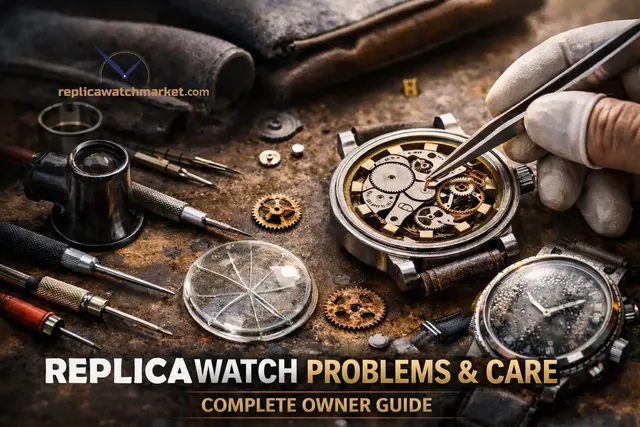
Featured guide
Replica Watch Problems & CareWhat actually happens after you buy a replica watch. Common problems, why some fail early, daily use reality, care habits, and how to tell normal from defect.
Read the guideResearch library
Search by question or narrow the library by topic. Every result links to a stable, indexable article.
6 guides

Discover the most common replica watch problems new buyers face, based on real-world use. An honest guide to avoid mistakes and set realistic expectations.

Learn what makes a watch comfortable for everyday wear, including case size, balance, strap design, readability, and long-term usability.
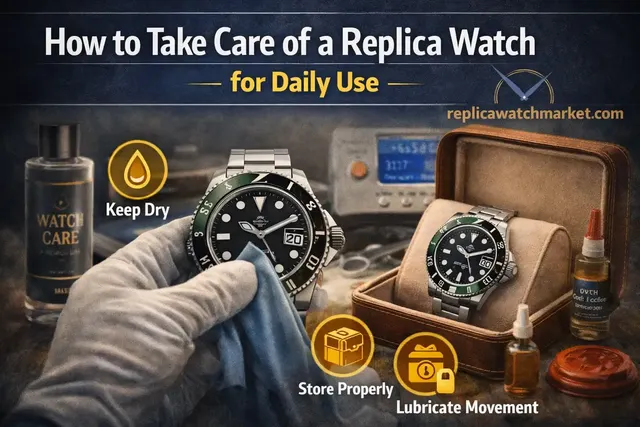
Learn how to care for a replica watch during daily use, with practical guidance on cleaning, water exposure, storage and routine maintenance.
Learn what daily wear means for a replica watch, including movement choice, materials, water exposure, maintenance and realistic durability.

Some replica watches stop working after a few months due to movement limits, usage habits, and environment. Learn the real causes and how buyers reduce risk.

Common Replica Chronograph Watch Problems New Buyers Face explains reset issues, accuracy drift, crown failures, moisture risks, and mistakes new owners face.
Try a broader phrase or choose all topics.
Ownership and care
This seven-guide collection connects daily handling with movement, chronograph and water-related symptoms, then shows what to record before requesting support.
The available routes include Can You Wear a Replica Watch Every Day? Daily Use & Durability Guide, Replica Watch Care Guide: Daily Maintenance, Water Safety & Longevity Tips, and What Makes a Watch Comfortable for Everyday Wear?. Use the common-problems article for an initial symptom map, the early-stoppage guide for power and movement questions, and the chronograph article when pushers or subdials are involved. A symptom can have more than one cause, so do not force the crown, repeatedly operate a failing complication or open the case to test a guess. Record what happened, when it began and which functions are affected before taking the next step.
The care and daily-wear guides focus on habits that can be applied without dismantling the watch: correct winding and setting, keeping the crown secured, avoiding impacts, cleaning suitable exterior surfaces and storing the watch in a stable place. Comfort guidance adds case fit, bracelet adjustment and weight distribution to that routine. Follow the instructions relevant to the stated movement and materials; one care method is not automatically suitable for every strap, coating or complication.
A visual dive-watch design or printed ATM figure does not establish the tested condition of an individual replica. Seals may change with assembly, transport, age or prior handling, and heat can introduce a separate risk. Use the water-resistance guide to understand crowns, gaskets and pressure testing, then follow the product’s published limitation. If water exposure matters, have the specific watch assessed by a competent professional before relying on it.
For an arrival issue, keep the packaging and order record, stop using the affected function and capture clear photographs or a short video that shows the problem without editing. Compare the event with the current guarantee, return and buyer-protection terms, including their reporting window, before arranging any repair. Send the order identifier and evidence through the official support route. A concise factual record helps distinguish shipping damage, a wrong item, a setup question and a fault that needs case-by-case review.