Real-World Replica Watch Usage in Professional Film Productions
A real-world experience showing how multiple watches purchased over time were used naturally on professional film sets, without sponsorship or endorsement.

Language selection
Journal
Explore in-depth insight into replica watch industry trends, media exposure, cultural influence, and shifting market perception worldwide.

Featured guide
Industry & CultureDiscover the history of Breitling watches, from early chronograph innovation to aviation icons that continue to influence modern watchmaking.
Read the guideResearch library
Search by question or narrow the library by topic. Every result links to a stable, indexable article.
2 guides
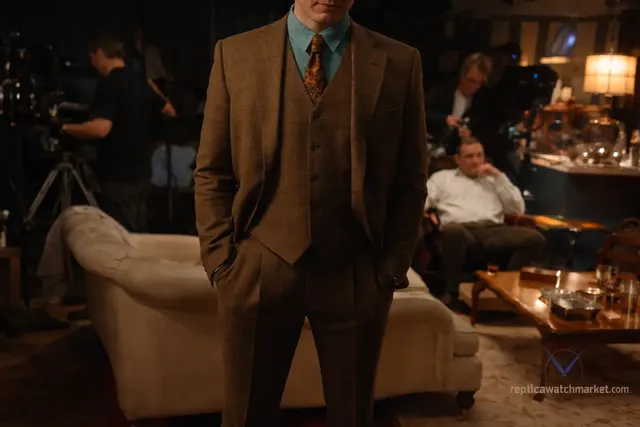
A real-world experience showing how multiple watches purchased over time were used naturally on professional film sets, without sponsorship or endorsement.

Explore watches associated with Champions League style and compare replica alternatives by design, materials, movement and everyday wear.
Try a broader phrase or choose all topics.
Context and culture
This compact collection examines how watch design appears in brand history, public events and professional visual work. It is intended as cultural context, not proof of a product’s specification, endorsement or authenticity.
The three current features are The History of Breitling Watches: Aviation, Chronographs, and Precision, Luxury Watches Seen Around the UEFA Champions League Final — And Their Replica Alternatives, and Real-World Replica Watch Usage in Professional Film Productions. The Breitling history article provides a route into aviation and chronograph design, giving readers context for the visual cues discussed in later buyer guides. Historical narrative is most useful when it explains why a layout, scale or case style exists; it should not be used to infer the movement, materials or accuracy of a present catalogue item. For those details, move from the story to the named product page and its published specification.
The Champions League and film-production articles discuss watches as visible objects in public and working settings. An appearance in a photograph, event or production does not establish a commercial relationship, certify a replica or show that a particular listing was used. Read captions and examples as editorial observations within the article’s stated scope. When identification is uncertain, the responsible conclusion is limited to the visible design feature rather than a definitive brand, reference or ownership claim.
A public appearance may explain why a case shape, chronograph layout or bracelet style attracts attention, but it does not answer whether that design will fit a particular wrist or routine. Follow a cultural feature with the relevant watch-type, case-size or model-family guide. That next step converts visual interest into questions that can be checked: dimensions, controls, movement description, strap construction and the photographed configuration. It also prevents popularity from being mistaken for suitability.
These pages use different kinds of material, so evaluate them accordingly. A historical date, an event image and a behind-the-scenes account do not carry the same evidential weight. Look for clear captions, dates, source context and careful language about what is known versus inferred. If your goal is to compare a current watch rather than explore culture, leave this section for the technical or buying library, where the decision can be tied to a live SKU and a specific set of product facts.