On this page 11 sections
Article at a glance
- Reading time
- 6 minutes
- Article length
- 1,201 words
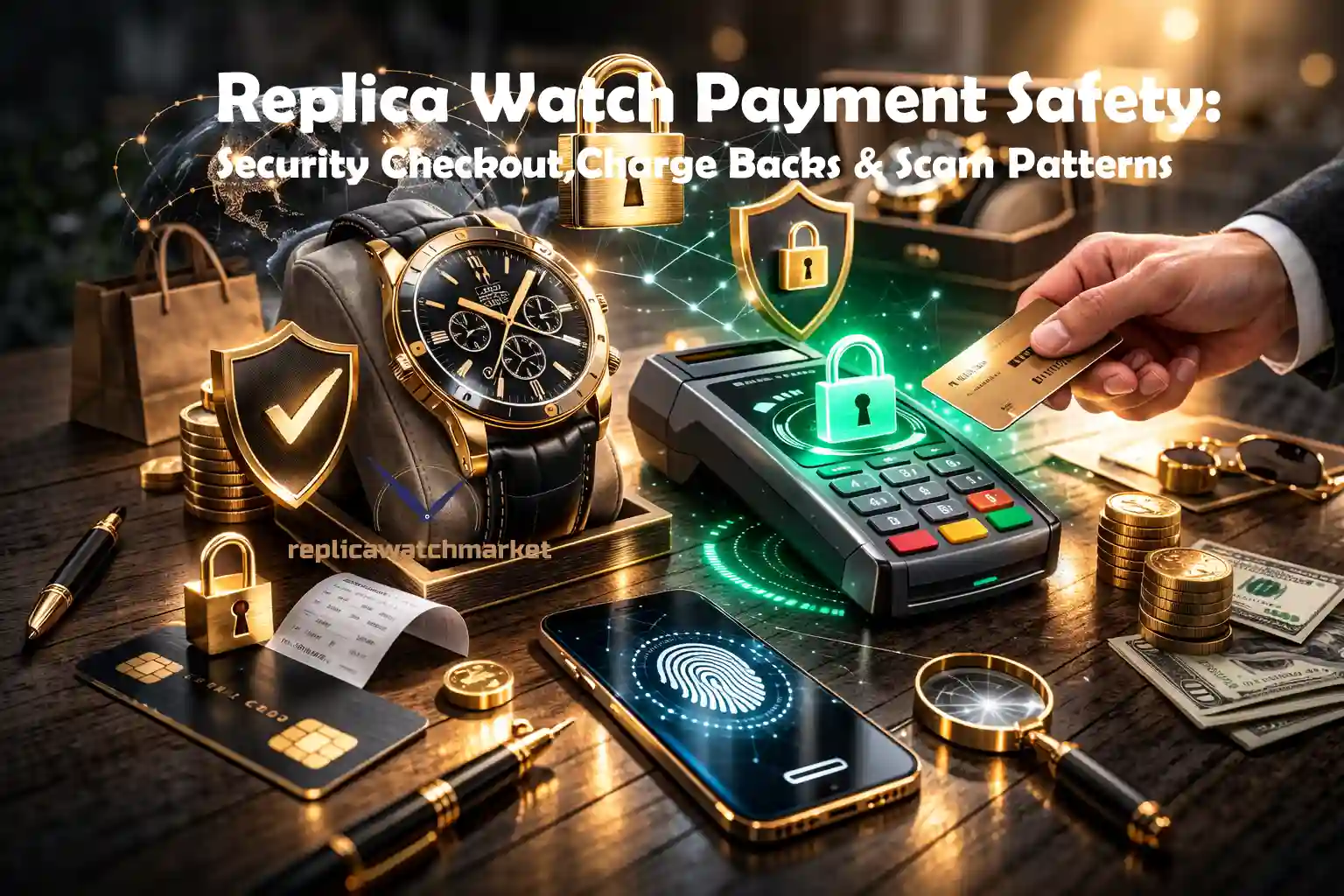
Payment safety starts before money moves. On Replica Watch Market, an order begins from a product page and is confirmed directly with the team through the official WhatsApp channel; there is no automated website checkout. The important controls are therefore identity, a complete written order summary, verified payment instructions and a record of what happens next.
This guide explains those controls, common impersonation and fake-link patterns, what evidence to retain, and the limits of payment disputes. It does not promise that a payment can be reversed. Rules and protections depend on the method, provider, country and facts of the transaction.
Payment safety at a glance
- Start from the product page on replicawatchmarket.com and use its WhatsApp order button.
- Confirm the exact product name, SKU, variation, price, availability and delivery details in writing.
- Do not act on replacement account details or payment links until they are independently rechecked through the official contact route.
- Keep the order conversation, payment receipt and tracking record together.
- Ask the payment provider about dispute eligibility and deadlines; never assume a chargeback is guaranteed.
1. Verify the contact channel
A padlock shows that a connection is encrypted; it does not by itself verify the seller’s identity, so impersonation remains a separate risk. A copied logo, familiar profile picture or similar account name does not establish identity. Open the seller’s website yourself and begin the conversation from the contact link shown there. The official order number on this site is displayed consistently in the header, product pages and contact information.
Be cautious when an unsolicited account moves the conversation to another number, asks you to continue through a shortened URL, or claims that the normal contact details have suddenly changed. Verify any change by returning to the official site rather than replying inside the same message thread.
2. Confirm the order before payment
A useful order summary identifies the exact watch. It should include the product name, SKU, selected dial or strap option, quantity, price, availability and delivery destination. Compare that summary with the live product page and correct any mismatch before requesting payment instructions.
The sequence should remain clear: choose a listing, send its details through WhatsApp, confirm the watch and terms, receive payment instructions, then retain the confirmation and follow the stated fulfilment steps. Read How to Order for the site’s current process.
3. Verify payment instructions
Payment methods can differ by destination and availability, so confirm the method and currency for the specific order. Check the recipient details, amount and reference against the written confirmation. If any material detail changes, stop and verify it through the official contact route before proceeding.
Never send passwords, one-time codes, full card credentials or unrelated identity documents in chat. A legitimate order discussion does not require access to your banking account. The UK National Cyber Security Centre’s phishing guidance explains how to identify and report suspicious messages and links.
Common payment warning signs
| Warning sign | Safer response |
|---|---|
| A lookalike social account contacts you first | Ignore its link and reopen the official website yourself. |
| Account or recipient details change at the last minute | Pause and confirm the change through the published contact route. |
| The amount or product is missing from the confirmation | Request a corrected written summary before paying. |
| A message demands immediate payment | Do not let a countdown replace verification. |
| A link requests passwords or one-time codes | Close it and contact your provider through its official channel. |
Records to save
Before payment, save the product URL, product code, selected options, stated price and the relevant policy pages. At payment, retain the confirmed recipient, amount, currency, transaction reference and receipt. After payment, keep the order confirmation, fulfilment updates, carrier name and tracking number.
Screenshots can support a timeline, but preserve the original messages and receipts where possible. Record dates and times and avoid editing files. If a dispute arises, a clear chronology is more useful than a large collection of unsorted images.
Chargebacks and payment disputes
A chargeback is a card-network dispute process, not an automatic refund. Eligibility, evidence requirements, time limits and outcomes depend on the issuer, network, payment route and reason for the claim. Some transfers and digital-asset payments may have no comparable reversal process.
If you believe a payment was unauthorised or the transaction materially differs from what was agreed, contact the payment provider through its official support channel promptly and describe the facts accurately. The US Consumer Financial Protection Bureau provides an example of card-billing dispute guidance; buyers elsewhere should use the rules published by their own provider and jurisdiction.
Do not file a false claim, misstate what was purchased or treat a routine tracking pause as proof of non-delivery. First compare the event with the written shipping timeline and ask for a documented status. For delivery-stage issues, see Replica Watch Shipping Methods Explained.
After payment
Confirm that the seller has linked the payment to the correct order and note the next expected milestone. If product verification or quality-control material is offered, compare it with the ordered variation. When tracking is issued, open the carrier’s official site manually and check that the number is recognised.
If the watch arrives with a material issue, stop using it and follow the documented process in Buyer Protection Rules and the Return & Refund Policy. Preserve the packaging and provide clear photographs or video before attempting a repair.
Frequently asked questions
Does Replica Watch Market have an online checkout?
No. Product details are sent to the team through the official WhatsApp order button. The watch, variation, availability, price and delivery details are confirmed before payment instructions are provided.
How do I know I am speaking to the right account?
Start the conversation from a button or contact detail on the official website. If the number, recipient or instructions change, return to the site and verify independently before acting.
What should be in my order confirmation?
Keep the exact product name and URL, SKU, selected options, quantity, total amount, currency, destination and the next fulfilment step. Ask for corrections before payment if any detail is incomplete.
Is a secure padlock enough to trust a payment link?
No. HTTPS protects a connection but does not prove that the recipient is the intended business. Confirm identity, domain, order details and payment instructions together.
Is a chargeback guaranteed?
No. Availability and outcomes vary. Ask the card issuer or payment provider about its rules and deadlines, keep accurate evidence and never assume a dispute will automatically succeed.
What if I receive a new payment link?
Do not open it immediately. Verify the change through the official site contact, compare the recipient and amount with the order summary, and proceed only when the reason is clear.
Payment safety takeaway
The safest process is deliberate and documented: begin from the official product page, confirm the exact order through the published WhatsApp channel, verify payment instructions, retain the complete record and follow provider rules if a genuine problem occurs. Pressure, unexplained changes and missing documentation are reasons to stop.
Official sources and jurisdiction note
Payment protection is never automatic. Verify the payee and payment instructions independently, and use the official dispute guidance for your payment method and country.